
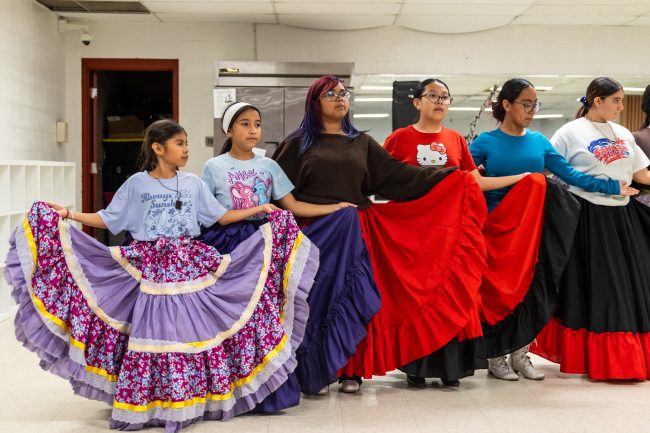
Connection, community, support — inside the powerful impact of shared spaces on Latines’ mental health
Having a strong support system can immensely help Latines’ mental health in challenging times.

Having a strong support system can immensely help Latines’ mental health in challenging times.
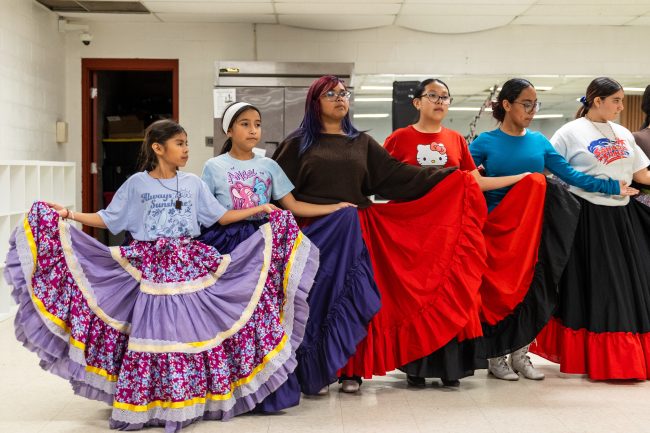
Construir una comunidad y tener una red de apoyo puede beneficiar la salud mental de los latines durante tiempos complicados.
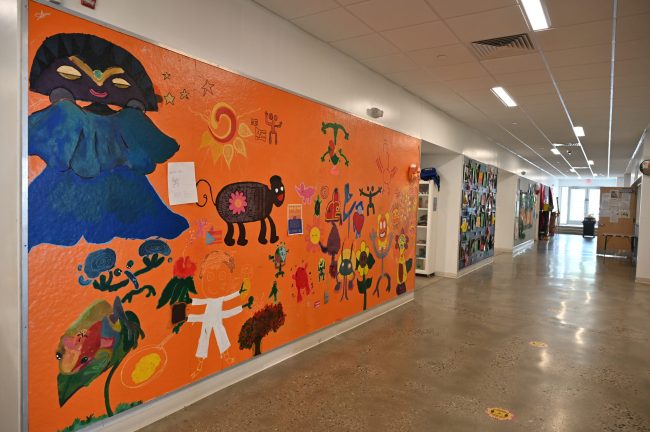
¿Segunda o tercera generación? Lo que estos términos significan para la identidad latina en Filadelfia By: Garett Fadeley | 2Puntos, Metro Philly July 24, 2025 | Tagged: Cultura, en español, Familia, Filadelfia, Identidad, Inmigrantes, Latine, Philadelphia. A mural inside Taller Puertorriqueño. (Photo by Stephen Knight) Filadelfia nunca ha sido más diversa, y las familias latinas…
Philadelphia has never been more diverse, and Latine families play a central role in that transformation. As of 2024, over 16% of the city’s population identifies as Latine.
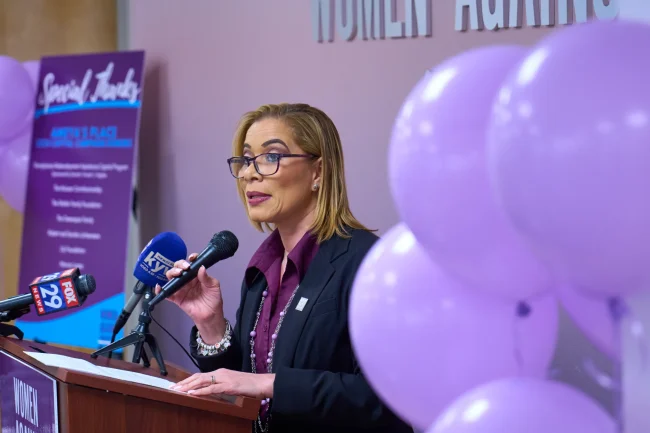
On average, 24 people per minute are victims of violence at the hands of their intimate partner in the United States.
And according to the National Institutes of Health, domestic violence is more likely to occur in Latine relationships — 14% of Latine couples report domestic violence compared to the 6% of reports made by their white counterparts.
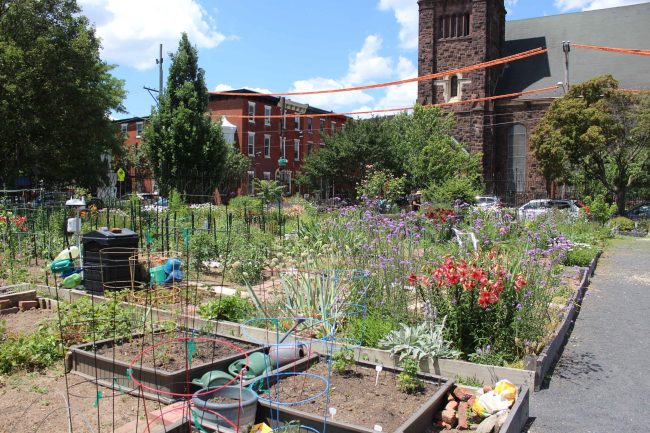
In Philadelphia, the tradition of community gardening resonates deeply with some second-generation Latiné immigrants who strive to preserve cultural heritage amid urban constraints.

For many immigrants, the thought of joining a community garden may seem daunting. But César Viveros, co-founder of César Andreu Iglesias Garden in West Kensington, understands the importance of cultural connection.
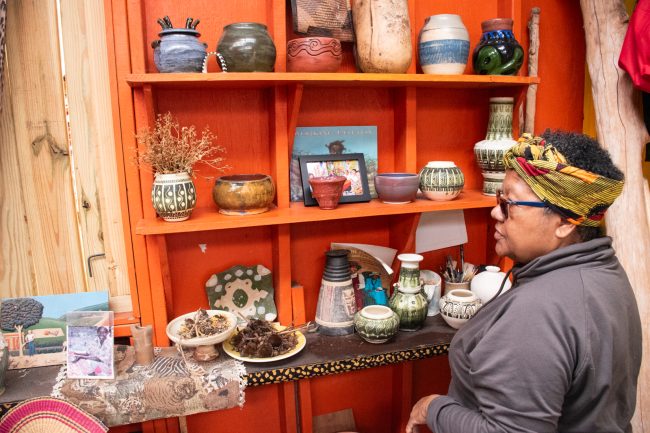
Community gardens foster a space for a sense of belonging.
This is especially true for certain groups of the Latine community, particularly for undocumented immigrants. Philadelphia has had a long history of community gardens, creating a melting pot for those with and without citizenship — the city has become a sanctuary for the Latine population who have since founded communities across the city.